PRESS & ARTICLES
NEWS & BLOG
Watch news, reviews, and collector stories.
READERS ARE SAYING
LATEST POST
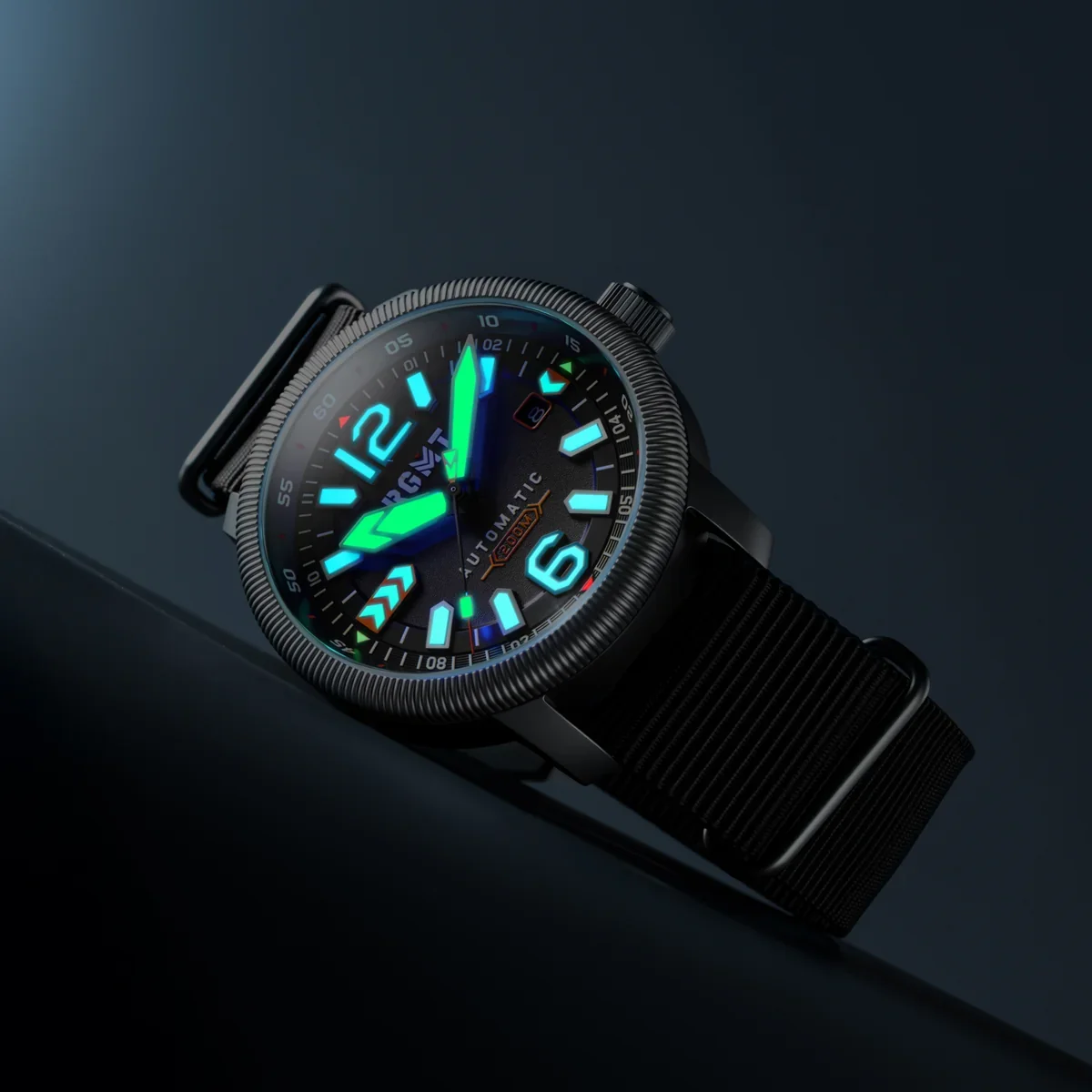
The RGMT Bastion Automatic: A 44mm Tactical Tool Watch with 200M WR for $280
Oct 13, 2026 10

Wren’s Vessel: An Integrated Sports Watch Built Around a Crystal Unlike Any Other
The Wren Vessel redefines integrated sports watches with its revolutionary dual-faceted sapphire crystal, costing more than its movement. This 39mm piece, designed with Max Resnick, features a futuristic aesthetic and proprietary bracelet.
Oct 13, 2026 6Check It Out

Ciga Design Hunter Tourbillon: A $1,999 Skeleton Tourbillon in Titanium
Ciga Design pushes boundaries with its Hunter Tourbillon, offering a stunning skeletonized tourbillon in Grade 5 titanium for just $1,999. Discover how this release redefines accessible haute horlogerie.
Oct 9, 2026 13Check It Out
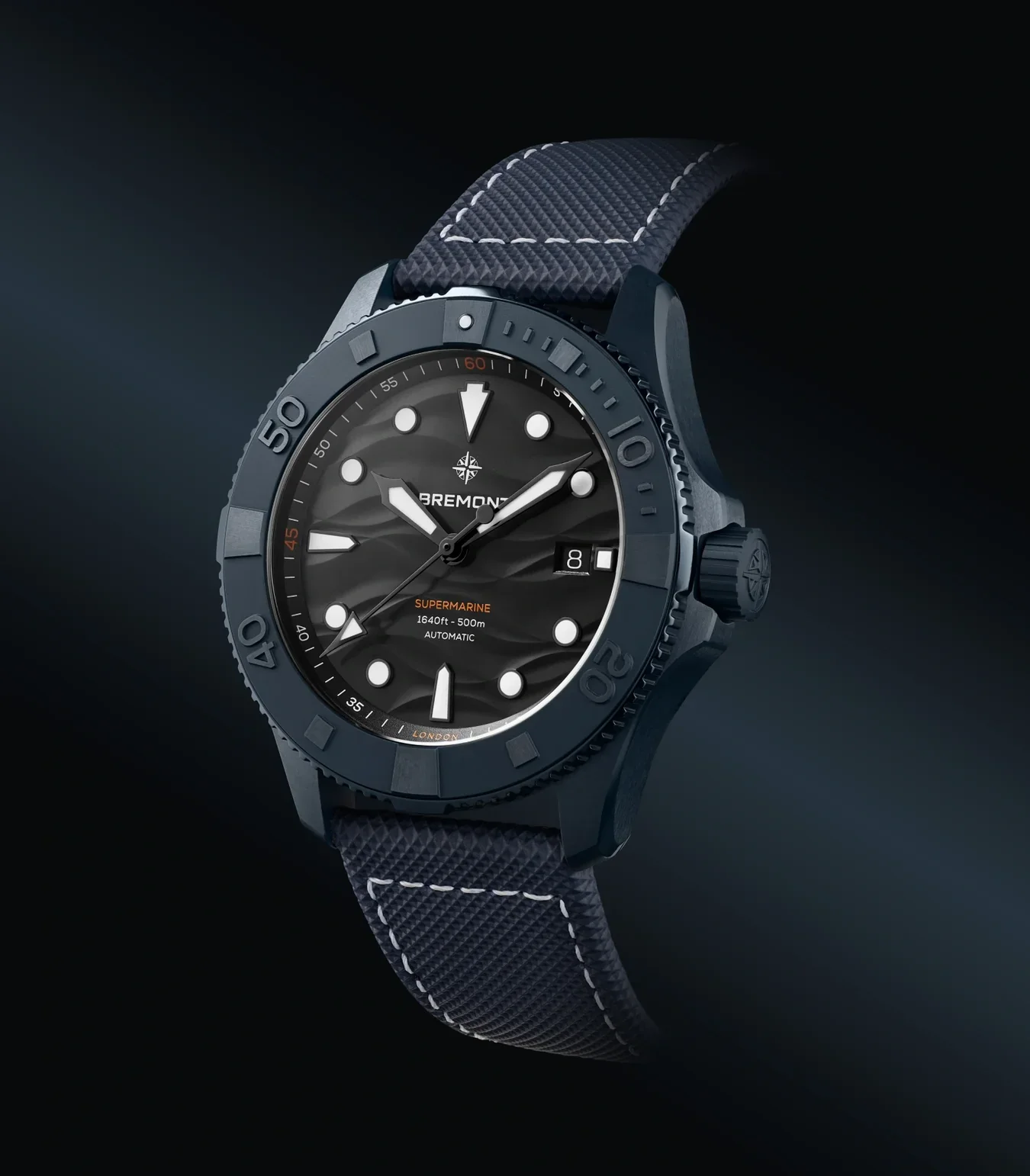
Bremont’s Blue Beast: A Spec-Heavy Look at the Supermarine Full Ceramic Deep Blue
Discover the Bremont Supermarine Full Ceramic Deep Blue, a limited-edition dive watch with a unique blue ceramic case and a 500-meter depth rating. VELOCE takes a deep dive into its advanced material science and real-world testing.
Oct 8, 2026 27Check It Out

Depancel’s Série-R Skeleton: A 100-Piece Column-Wheel Chrono For Under $1,800
Depancel unveils the limited-edition Série-R Chronograph Skeleton, a striking 100-piece column-wheel chronograph with a Peacock SL-4802 movement. Discover its unique rectangular case, openworked dial, and automotive-inspired design, available for under $1,800 (€1,595)
Oct 6, 2026 11Check It Out
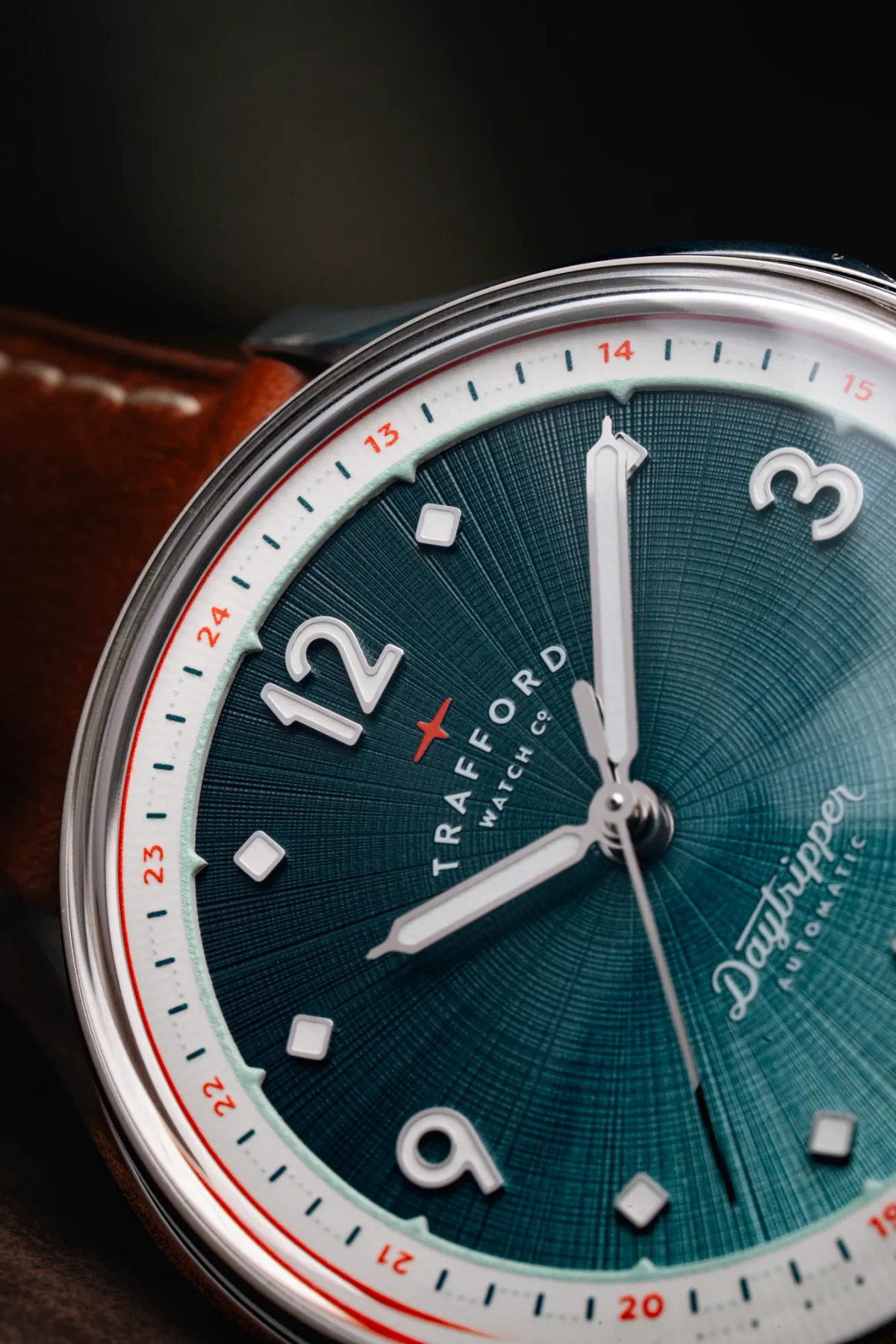
The Trafford Daytripper: A Smarter Travel Watch Hiding in Plain Sight
The Trafford Daytripper redefines the travel watch by simplifying it, stripping away the GMT hand for a clean, independently adjustable hour hand. Explore this innovative design, powered by a re-engineered Miyota 9075, offering real-world convenience for $799.
Oct 5, 2026 4Check It Out
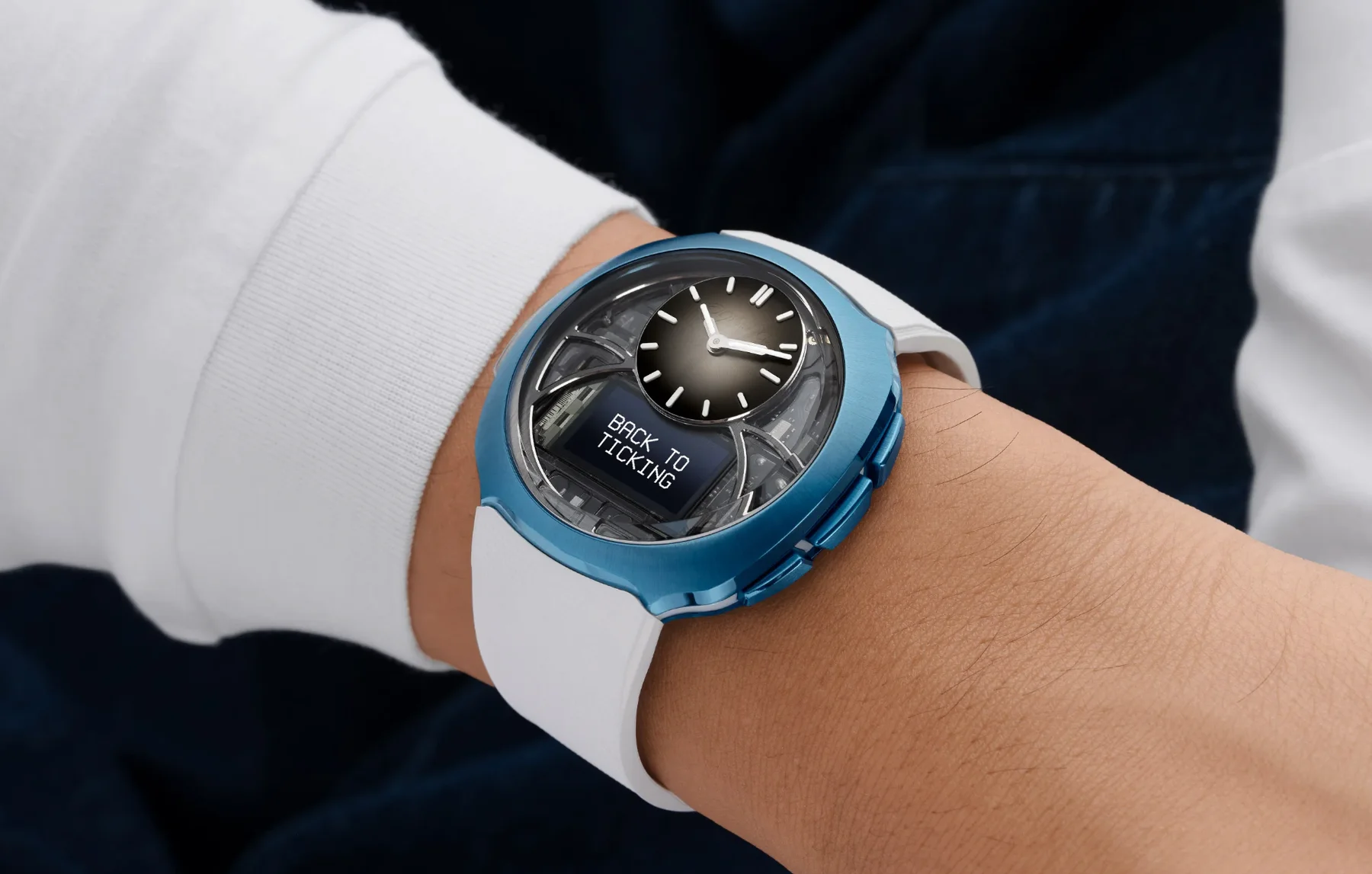
The H. Moser & Cie. Off-Grid: A $3,700 Digital Watch for Analog Purists
H. Moser & Cie. surprises with the Off-Grid, a $3,700 digital-analog hybrid built on the Streamliner platform. VELOCE dives into this fascinating 1,000-piece limited edition.
Oct 2, 2026 18Check It Out
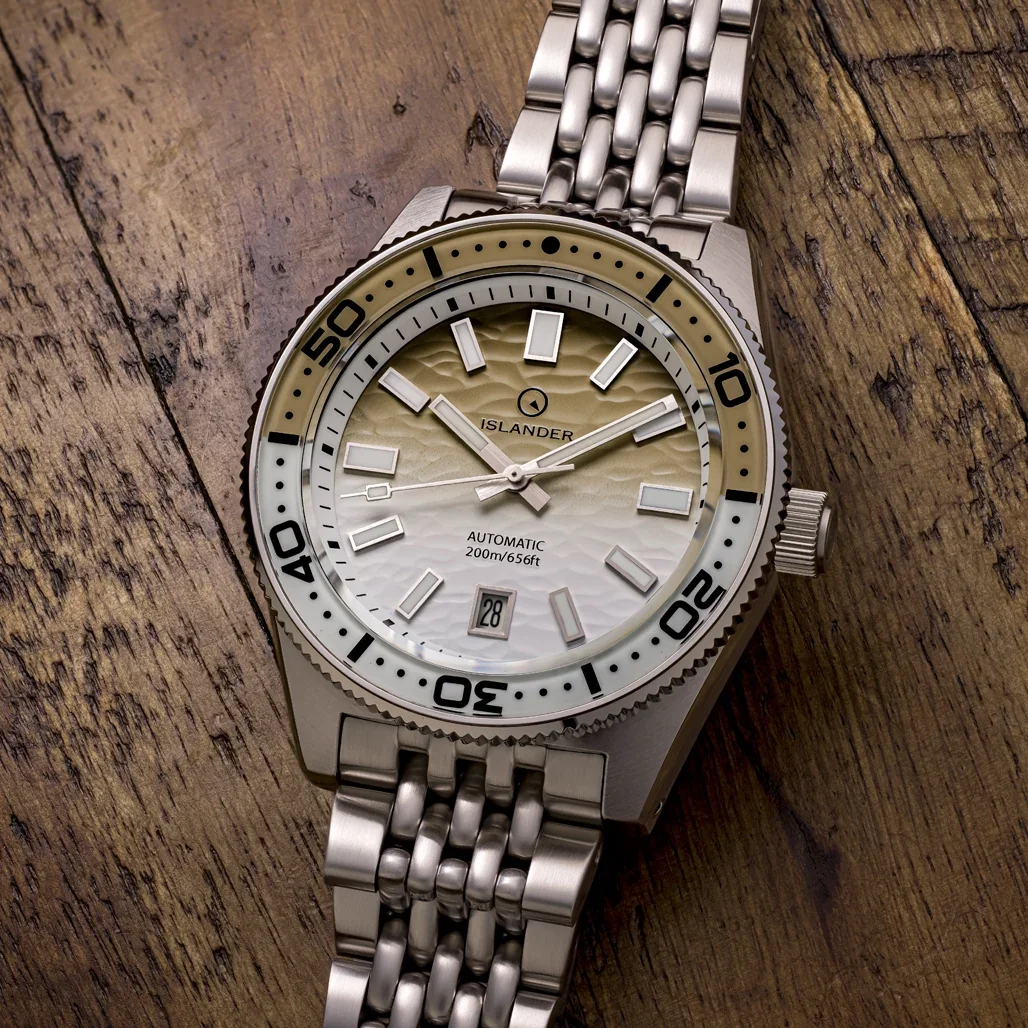
Islander’s New Wave: The Northport Divers Get Two Stunning Ripple Dials
Islander launches two new Northport divers, the ISL-360 and ISL-361, featuring captivating ripple dials inspired by the Long Island Sound and an unbeatable spec list for under $450.
Oct 1, 2026 16Check It Out

Just 8.1mm Thick: A Deep Dive Into Vacheron Constantin's Overseas Perpetual Calendar
The Vacheron Constantin Overseas Perpetual Calendar Ultra-Thin packs a complex perpetual calendar into an incredibly slender 8.1mm case. Discover the technical mastery of its Calibre 1120 QP/1 movement and why it remains a collector's dream.
Sep 29, 2026 12Check It Out

Horror Horology: Five Timepieces with Haunted Histories
Some watches carry more than time – they hold dark histories. Uncover five legendary timepieces, from the 'cursed' Patek Philippe Graves Supercomplication to a modern diver linked to a murder, in these tales of horror horology.
Oct 13, 2026 5Check It Out

Armin Strom Tribute³ Au750: Gold From Case to Caliber
The Armin Strom Tribute³ Au750 is a rare horological marvel, limited to just eight pieces. Experience 18k rose gold integrated from its 38mm case to its calibre, featuring exquisite hand-guilloché.
Oct 9, 2026 4Check It Out
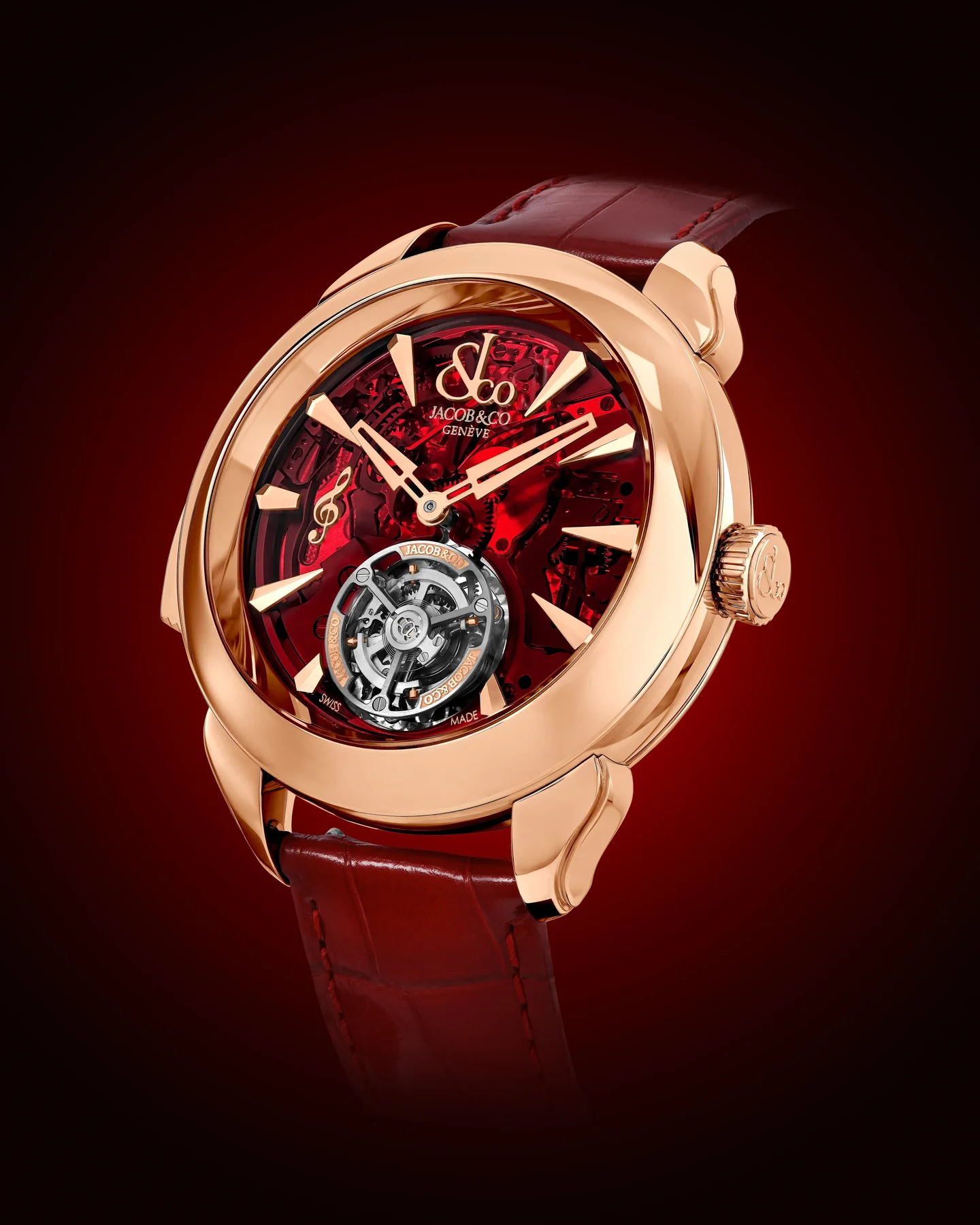
Jacob & Co.'s $390,000 Anniversary Piece: The Palatial Flying Tourbillon Minute Repeater
Jacob & Co. unveils the Palatial Flying Tourbillon Minute Repeater, a $390,000 limited edition for its 40th anniversary. This exceptional timepiece reimagines their first minute repeater, showcasing refined mechanics and a bold aesthetic.
Oct 8, 2026 9Check It Out

More Than a Dial: Seiko’s New Chronograph is Literally a Panda
Seiko's latest chronographs from the Power Design Project aren't just 'panda dial' watches—they literally look like a panda's face! Explore how a bold concept transformed into two charming, wearable limited editions.
Oct 6, 2026 35Check It Out

Trafford Crossroads Core: The Sub-$1000 Swiss-Made Watch You Didn’t See Coming
Austin's Trafford Watch Co. unveils the Crossroads Core: a Swiss-Made, hand-wound timepiece for just $899. This collection refines their popular design with a thinner profile and two wear sizes, offering exceptional value and craftsmanship.
Oct 5, 2026 8Check It Out
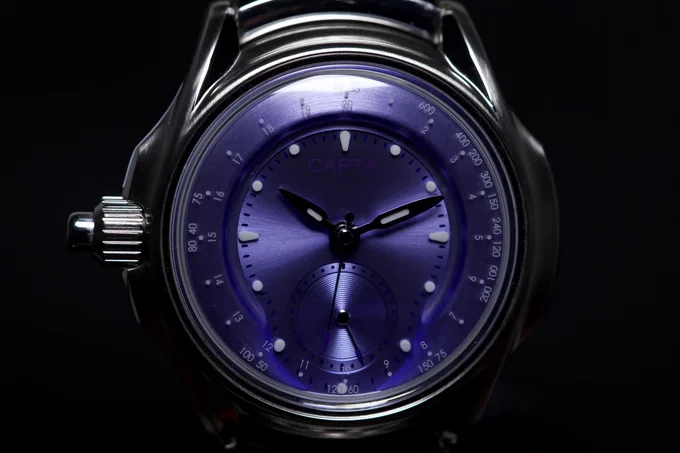
CAPTA’s Uniscale: The Chronograph That Hides in Plain Sight
CAPTA's new Uniscale chronograph boasts a revolutionary design, laser-engraving its multi-functional scales onto the sapphire crystal. This Swiss-made monopusher on Kickstarter rethinks complication display.
Oct 2, 2026 22Check It Out
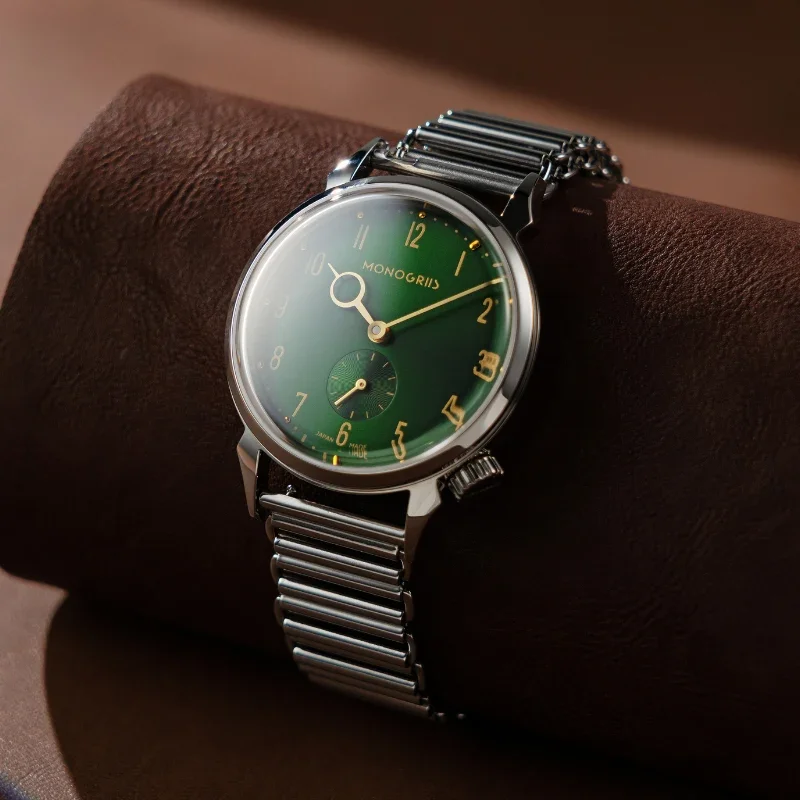
Monogriis Resta Midori: A $350 Lesson in Vintage Proportions and Japanese Color
The Monogriis Resta Midori R50M-001 redefines value with its 36mm case, evocative 'Midori' green dial, and box-domed sapphire. It delivers vintage proportions and Japanese aesthetics for just $350, offering true character in a budget-friendly package.
Oct 1, 2026 19Check It Out
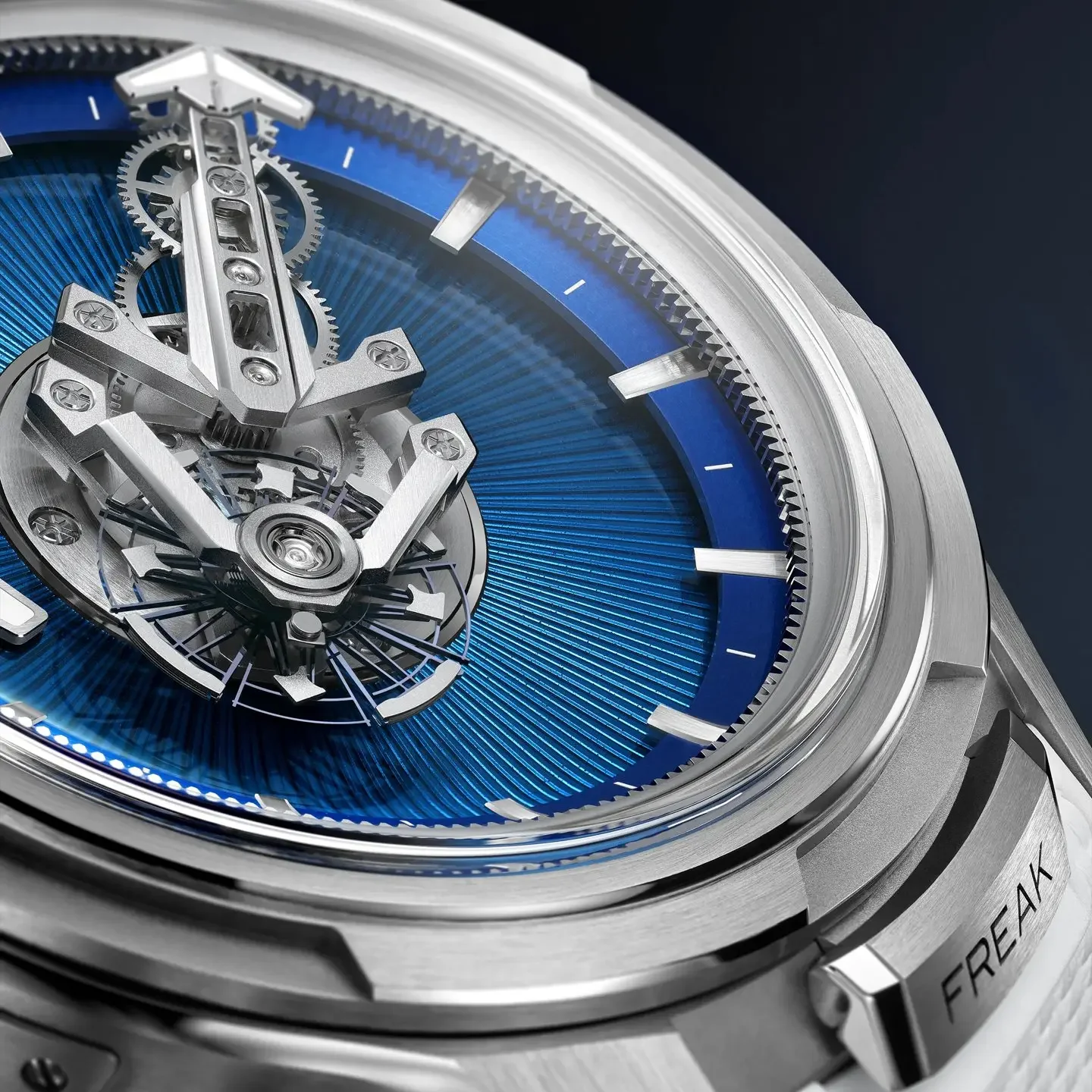
The Ulysse Nardin Freak ONE Gets a Dose of Ancient Fire
Ulysse Nardin’s radical Freak ONE embraces ancient Grand Feu enamel, blending futuristic design with traditional artistry. Explore the new Freak ONE Blue Enamel, featuring a full titanium case and a stunning blue enamel hour disc in this limited edition.
Sep 28, 2026 20Check It Out

A Double Anniversary: The Raymond Weil Freelancer World-Traveller GMT
The new Raymond Weil Freelancer World-Traveller GMT honors two anniversaries with a limited-edition of 260 pieces. Discover its unique caller GMT and 24-city worldtimer packed into a 40mm case.
Oct 12, 2026 12Check It Out
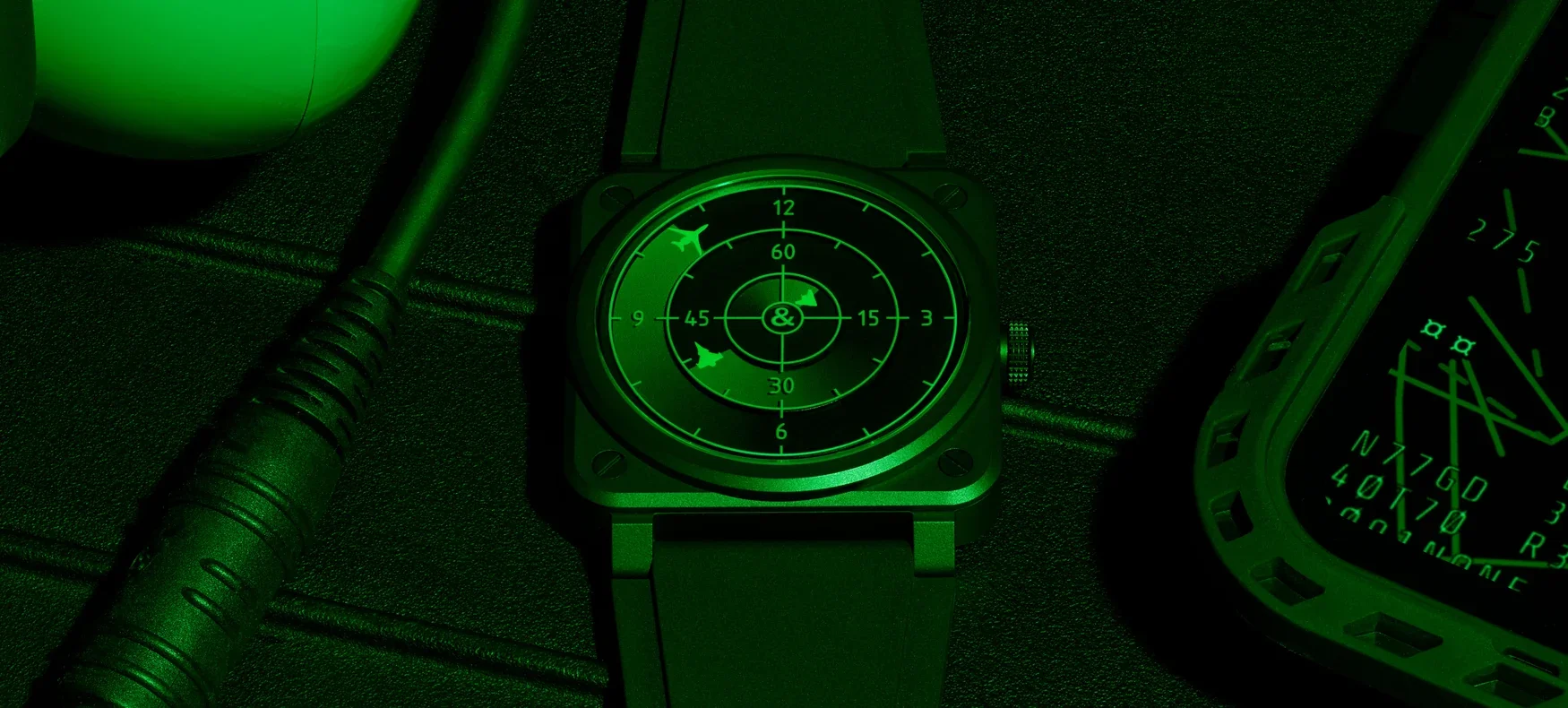
Off the Scope: Bell & Ross Brings Its Radar Display to a 41mm Ceramic Case
Bell & Ross shrinks its iconic radar display to a new 41mm ceramic case with the BR-03 Green Radar Ceramic. This limited-edition watch packages a distinctive concept into a more accessible format, featuring a unique green-tinted sapphire crystal and rotating aircraft indicators.
Oct 9, 2026 39Check It Out

The Accutron Horizon: A Minute Repeater and Perpetual Calendar for Under $2,200?
The new Accutron Horizon challenges watchmaking norms, offering a minute repeater, perpetual calendar, chronograph, and moon phase in a high-concept quartz timepiece starting under $2,200. Discover how Accutron delivers luxury complications without the astronomical price.
Oct 8, 2026 11Check It Out
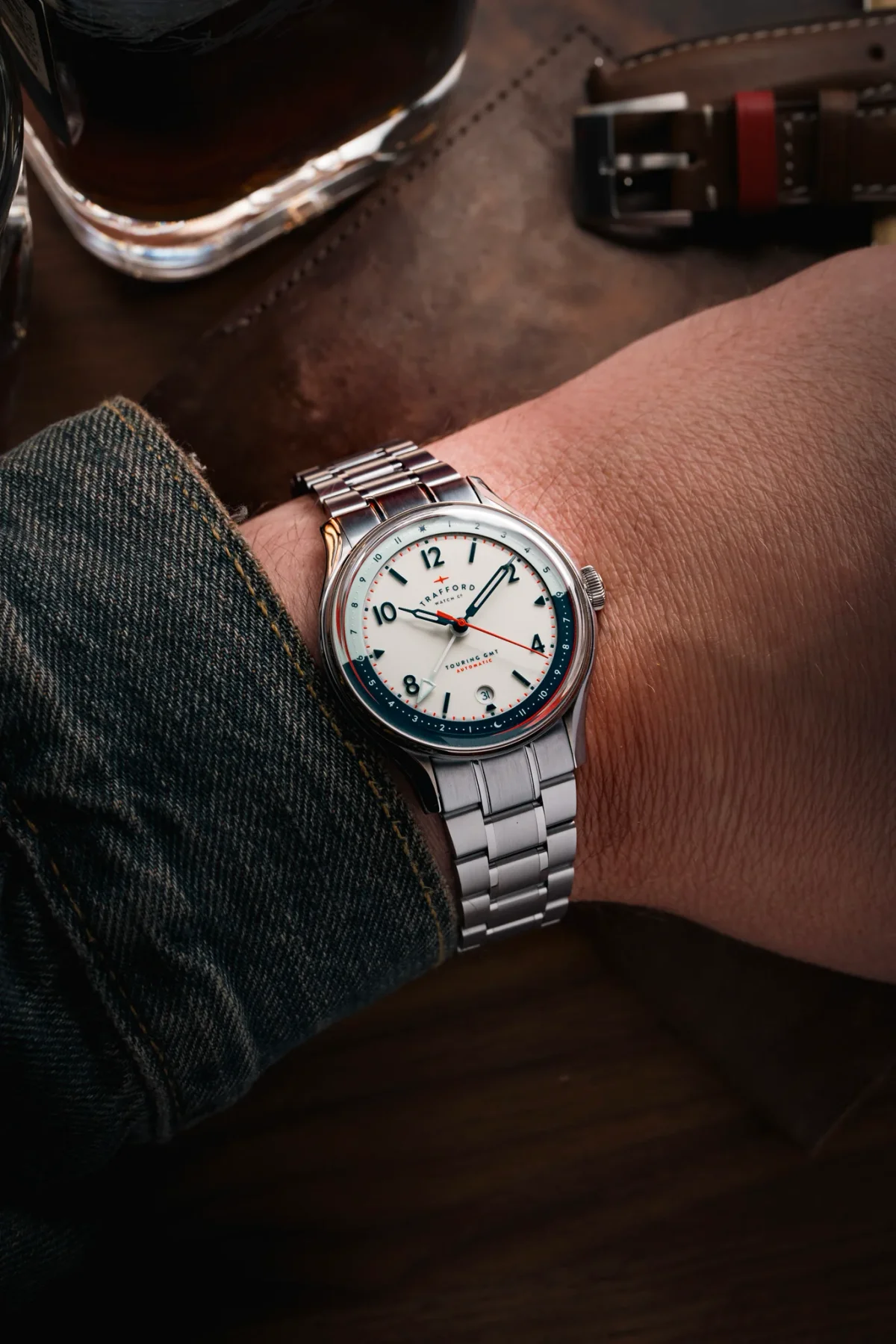
Trafford’s Touring GMT Core: A Traveler's Watch That Remembers Home
Discover the Trafford Touring GMT Core, a true traveler's watch with an innovative AM/PM dial designed for intuitive home time at a glance. Learn why this $899 microbrand GMT truly stands out.
Oct 5, 2026 11Check It Out

What Kind of Dialhead Are You? Watch Enthusiasts Guide.
Are you a "dialhead" or an "engineer" in the watch world? Discover if your passion lies in intricate dial artistry or the mesmerizing mechanics of a watch's caliber.
Oct 3, 2026 12Check It Out
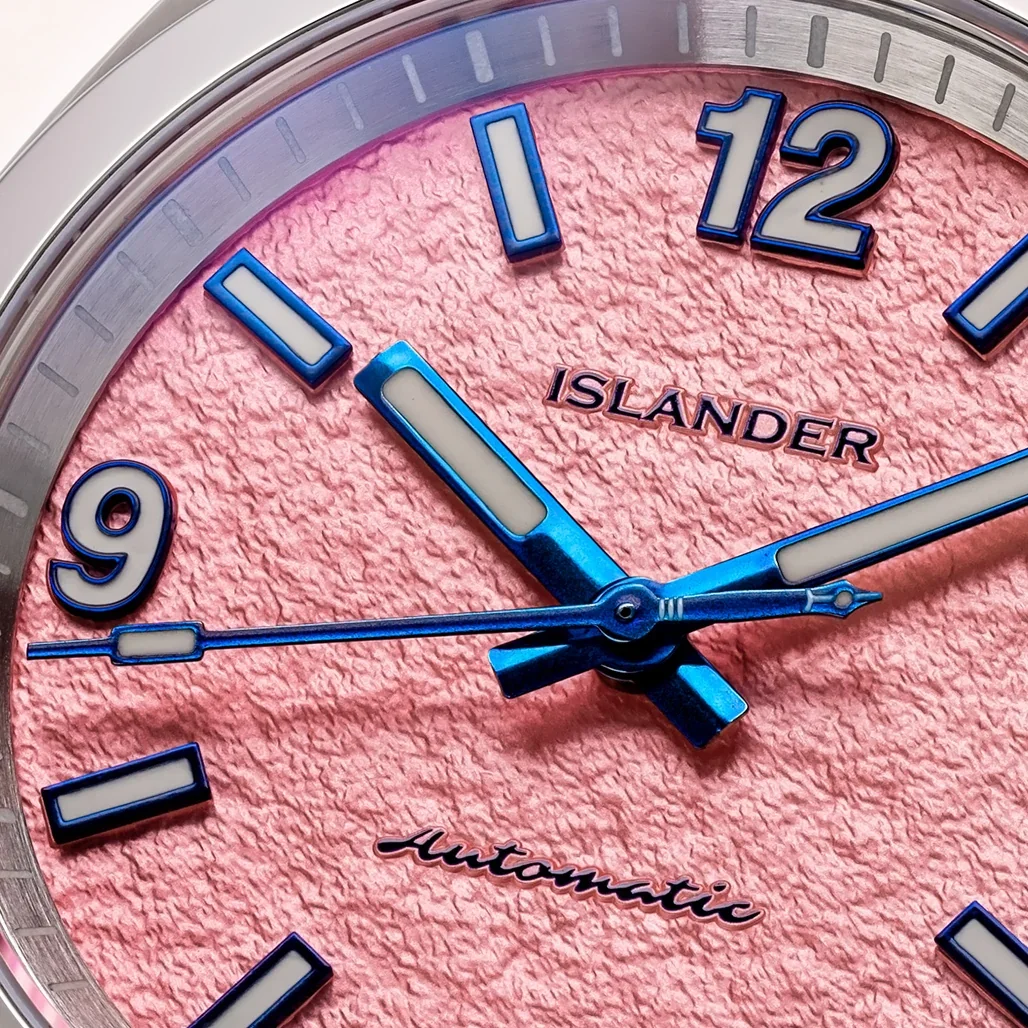
Islander's $429 Calligraphy Watch: A Hi-Beat Movement and Parchment Dial Redefine Value
Islander's new Brookville Calligraphy Edition redefines value, packing a hi-beat Miyota 90S5 movement and a stunning parchment dial into a $429 package. Explore this refreshed 38mm watch that eliminates compromises.
Oct 1, 2026 13Check It Out

Watch Market Trends: Story-Driven Dials & Unbeatable Value
From Seiko's stunning thematic drops to Paradigm's GT-R tribute, Luch's one-hander, and Micromilspec's field watch, discover the watches that are captivating collectors right now with their stories and unique designs.
Sep 29, 2026 32Check It Out

The Toughest Timekeepers: 6 Military-Inspired Watches Built to Last
Discover 6 military-inspired watches, purpose-built for extreme conditions and mission-ready durability. From ballistic equipment like the Tin Can Timepieces SWCS to soldier-designed Micromilspec Fieldmaster, these timekeepers offer rugged utility for modern adventurers.
Sep 27, 2026 31Check It Out
Wren’s Vessel: An Integrated Sports Watch Built Around a Crystal Unlike Any Other
The Wren Vessel redefines integrated sports watches with its revolutionary dual-faceted sapphire crystal, costing more than its movement. This 39mm piece, designed with Max Resnick, features a futuristic aesthetic and proprietary bracelet.
Oct 13, 2026 6Check It Out
A Double Anniversary: The Raymond Weil Freelancer World-Traveller GMT
The new Raymond Weil Freelancer World-Traveller GMT honors two anniversaries with a limited-edition of 260 pieces. Discover its unique caller GMT and 24-city worldtimer packed into a 40mm case.
Oct 12, 2026 12Check It Out
Armin Strom Tribute³ Au750: Gold From Case to Caliber
The Armin Strom Tribute³ Au750 is a rare horological marvel, limited to just eight pieces. Experience 18k rose gold integrated from its 38mm case to its calibre, featuring exquisite hand-guilloché.
Oct 9, 2026 4Check It Out
Bremont’s Blue Beast: A Spec-Heavy Look at the Supermarine Full Ceramic Deep Blue
Discover the Bremont Supermarine Full Ceramic Deep Blue, a limited-edition dive watch with a unique blue ceramic case and a 500-meter depth rating. VELOCE takes a deep dive into its advanced material science and real-world testing.
Oct 8, 2026 27Check It Out
The Accutron Horizon: A Minute Repeater and Perpetual Calendar for Under $2,200?
The new Accutron Horizon challenges watchmaking norms, offering a minute repeater, perpetual calendar, chronograph, and moon phase in a high-concept quartz timepiece starting under $2,200. Discover how Accutron delivers luxury complications without the astronomical price.
Oct 8, 2026 11Check It Out
More Than a Dial: Seiko’s New Chronograph is Literally a Panda
Seiko's latest chronographs from the Power Design Project aren't just 'panda dial' watches—they literally look like a panda's face! Explore how a bold concept transformed into two charming, wearable limited editions.
Oct 6, 2026 35Check It Out
The Trafford Daytripper: A Smarter Travel Watch Hiding in Plain Sight
The Trafford Daytripper redefines the travel watch by simplifying it, stripping away the GMT hand for a clean, independently adjustable hour hand. Explore this innovative design, powered by a re-engineered Miyota 9075, offering real-world convenience for $799.
Oct 5, 2026 4Check It Out
What Kind of Dialhead Are You? Watch Enthusiasts Guide.
Are you a "dialhead" or an "engineer" in the watch world? Discover if your passion lies in intricate dial artistry or the mesmerizing mechanics of a watch's caliber.
Oct 3, 2026 12Check It Out
CAPTA’s Uniscale: The Chronograph That Hides in Plain Sight
CAPTA's new Uniscale chronograph boasts a revolutionary design, laser-engraving its multi-functional scales onto the sapphire crystal. This Swiss-made monopusher on Kickstarter rethinks complication display.
Oct 2, 2026 22Check It Out
Islander’s New Wave: The Northport Divers Get Two Stunning Ripple Dials
Islander launches two new Northport divers, the ISL-360 and ISL-361, featuring captivating ripple dials inspired by the Long Island Sound and an unbeatable spec list for under $450.
Oct 1, 2026 16Check It Out
Watch Market Trends: Story-Driven Dials & Unbeatable Value
From Seiko's stunning thematic drops to Paradigm's GT-R tribute, Luch's one-hander, and Micromilspec's field watch, discover the watches that are captivating collectors right now with their stories and unique designs.
Sep 29, 2026 32Check It Out
The Ulysse Nardin Freak ONE Gets a Dose of Ancient Fire
Ulysse Nardin’s radical Freak ONE embraces ancient Grand Feu enamel, blending futuristic design with traditional artistry. Explore the new Freak ONE Blue Enamel, featuring a full titanium case and a stunning blue enamel hour disc in this limited edition.
Sep 28, 2026 20Check It Out
Horror Horology: Five Timepieces with Haunted Histories
Some watches carry more than time – they hold dark histories. Uncover five legendary timepieces, from the 'cursed' Patek Philippe Graves Supercomplication to a modern diver linked to a murder, in these tales of horror horology.
Oct 13, 2026 5Check It Out
Ciga Design Hunter Tourbillon: A $1,999 Skeleton Tourbillon in Titanium
Ciga Design pushes boundaries with its Hunter Tourbillon, offering a stunning skeletonized tourbillon in Grade 5 titanium for just $1,999. Discover how this release redefines accessible haute horlogerie.
Oct 9, 2026 13Check It Out
Off the Scope: Bell & Ross Brings Its Radar Display to a 41mm Ceramic Case
Bell & Ross shrinks its iconic radar display to a new 41mm ceramic case with the BR-03 Green Radar Ceramic. This limited-edition watch packages a distinctive concept into a more accessible format, featuring a unique green-tinted sapphire crystal and rotating aircraft indicators.
Oct 9, 2026 39Check It Out
Jacob & Co.'s $390,000 Anniversary Piece: The Palatial Flying Tourbillon Minute Repeater
Jacob & Co. unveils the Palatial Flying Tourbillon Minute Repeater, a $390,000 limited edition for its 40th anniversary. This exceptional timepiece reimagines their first minute repeater, showcasing refined mechanics and a bold aesthetic.
Oct 8, 2026 9Check It Out
Depancel’s Série-R Skeleton: A 100-Piece Column-Wheel Chrono For Under $1,800
Depancel unveils the limited-edition Série-R Chronograph Skeleton, a striking 100-piece column-wheel chronograph with a Peacock SL-4802 movement. Discover its unique rectangular case, openworked dial, and automotive-inspired design, available for under $1,800 (€1,595)
Oct 6, 2026 11Check It Out
Trafford’s Touring GMT Core: A Traveler's Watch That Remembers Home
Discover the Trafford Touring GMT Core, a true traveler's watch with an innovative AM/PM dial designed for intuitive home time at a glance. Learn why this $899 microbrand GMT truly stands out.
Oct 5, 2026 11Check It Out
Trafford Crossroads Core: The Sub-$1000 Swiss-Made Watch You Didn’t See Coming
Austin's Trafford Watch Co. unveils the Crossroads Core: a Swiss-Made, hand-wound timepiece for just $899. This collection refines their popular design with a thinner profile and two wear sizes, offering exceptional value and craftsmanship.
Oct 5, 2026 8Check It Out
The H. Moser & Cie. Off-Grid: A $3,700 Digital Watch for Analog Purists
H. Moser & Cie. surprises with the Off-Grid, a $3,700 digital-analog hybrid built on the Streamliner platform. VELOCE dives into this fascinating 1,000-piece limited edition.
Oct 2, 2026 18Check It Out
Islander's $429 Calligraphy Watch: A Hi-Beat Movement and Parchment Dial Redefine Value
Islander's new Brookville Calligraphy Edition redefines value, packing a hi-beat Miyota 90S5 movement and a stunning parchment dial into a $429 package. Explore this refreshed 38mm watch that eliminates compromises.
Oct 1, 2026 13Check It Out
Monogriis Resta Midori: A $350 Lesson in Vintage Proportions and Japanese Color
The Monogriis Resta Midori R50M-001 redefines value with its 36mm case, evocative 'Midori' green dial, and box-domed sapphire. It delivers vintage proportions and Japanese aesthetics for just $350, offering true character in a budget-friendly package.
Oct 1, 2026 19Check It Out
Just 8.1mm Thick: A Deep Dive Into Vacheron Constantin's Overseas Perpetual Calendar
The Vacheron Constantin Overseas Perpetual Calendar Ultra-Thin packs a complex perpetual calendar into an incredibly slender 8.1mm case. Discover the technical mastery of its Calibre 1120 QP/1 movement and why it remains a collector's dream.
Sep 29, 2026 12Check It Out
The Toughest Timekeepers: 6 Military-Inspired Watches Built to Last
Discover 6 military-inspired watches, purpose-built for extreme conditions and mission-ready durability. From ballistic equipment like the Tin Can Timepieces SWCS to soldier-designed Micromilspec Fieldmaster, these timekeepers offer rugged utility for modern adventurers.
Sep 27, 2026 31Check It Out
Wren’s Vessel: An Integrated Sports Watch Built Around a Crystal Unlike Any Other
The Wren Vessel redefines integrated sports watches with its revolutionary dual-faceted sapphire crystal, costing more than its movement. This 39mm piece, designed with Max Resnick, features a futuristic aesthetic and proprietary bracelet.
Oct 13, 2026 6Check It Out
Horror Horology: Five Timepieces with Haunted Histories
Some watches carry more than time – they hold dark histories. Uncover five legendary timepieces, from the 'cursed' Patek Philippe Graves Supercomplication to a modern diver linked to a murder, in these tales of horror horology.
Oct 13, 2026 5Check It Out
A Double Anniversary: The Raymond Weil Freelancer World-Traveller GMT
The new Raymond Weil Freelancer World-Traveller GMT honors two anniversaries with a limited-edition of 260 pieces. Discover its unique caller GMT and 24-city worldtimer packed into a 40mm case.
Oct 12, 2026 12Check It Out
Ciga Design Hunter Tourbillon: A $1,999 Skeleton Tourbillon in Titanium
Ciga Design pushes boundaries with its Hunter Tourbillon, offering a stunning skeletonized tourbillon in Grade 5 titanium for just $1,999. Discover how this release redefines accessible haute horlogerie.
Oct 9, 2026 13Check It Out
Armin Strom Tribute³ Au750: Gold From Case to Caliber
The Armin Strom Tribute³ Au750 is a rare horological marvel, limited to just eight pieces. Experience 18k rose gold integrated from its 38mm case to its calibre, featuring exquisite hand-guilloché.
Oct 9, 2026 4Check It Out
Off the Scope: Bell & Ross Brings Its Radar Display to a 41mm Ceramic Case
Bell & Ross shrinks its iconic radar display to a new 41mm ceramic case with the BR-03 Green Radar Ceramic. This limited-edition watch packages a distinctive concept into a more accessible format, featuring a unique green-tinted sapphire crystal and rotating aircraft indicators.
Oct 9, 2026 39Check It Out
Bremont’s Blue Beast: A Spec-Heavy Look at the Supermarine Full Ceramic Deep Blue
Discover the Bremont Supermarine Full Ceramic Deep Blue, a limited-edition dive watch with a unique blue ceramic case and a 500-meter depth rating. VELOCE takes a deep dive into its advanced material science and real-world testing.
Oct 8, 2026 27Check It Out
Jacob & Co.'s $390,000 Anniversary Piece: The Palatial Flying Tourbillon Minute Repeater
Jacob & Co. unveils the Palatial Flying Tourbillon Minute Repeater, a $390,000 limited edition for its 40th anniversary. This exceptional timepiece reimagines their first minute repeater, showcasing refined mechanics and a bold aesthetic.
Oct 8, 2026 9Check It Out
The Accutron Horizon: A Minute Repeater and Perpetual Calendar for Under $2,200?
The new Accutron Horizon challenges watchmaking norms, offering a minute repeater, perpetual calendar, chronograph, and moon phase in a high-concept quartz timepiece starting under $2,200. Discover how Accutron delivers luxury complications without the astronomical price.
Oct 8, 2026 11Check It Out
Depancel’s Série-R Skeleton: A 100-Piece Column-Wheel Chrono For Under $1,800
Depancel unveils the limited-edition Série-R Chronograph Skeleton, a striking 100-piece column-wheel chronograph with a Peacock SL-4802 movement. Discover its unique rectangular case, openworked dial, and automotive-inspired design, available for under $1,800 (€1,595)
Oct 6, 2026 11Check It Out
More Than a Dial: Seiko’s New Chronograph is Literally a Panda
Seiko's latest chronographs from the Power Design Project aren't just 'panda dial' watches—they literally look like a panda's face! Explore how a bold concept transformed into two charming, wearable limited editions.
Oct 6, 2026 35Check It Out
Trafford’s Touring GMT Core: A Traveler's Watch That Remembers Home
Discover the Trafford Touring GMT Core, a true traveler's watch with an innovative AM/PM dial designed for intuitive home time at a glance. Learn why this $899 microbrand GMT truly stands out.
Oct 5, 2026 11Check It Out
The Trafford Daytripper: A Smarter Travel Watch Hiding in Plain Sight
The Trafford Daytripper redefines the travel watch by simplifying it, stripping away the GMT hand for a clean, independently adjustable hour hand. Explore this innovative design, powered by a re-engineered Miyota 9075, offering real-world convenience for $799.
Oct 5, 2026 4Check It Out
Trafford Crossroads Core: The Sub-$1000 Swiss-Made Watch You Didn’t See Coming
Austin's Trafford Watch Co. unveils the Crossroads Core: a Swiss-Made, hand-wound timepiece for just $899. This collection refines their popular design with a thinner profile and two wear sizes, offering exceptional value and craftsmanship.
Oct 5, 2026 8Check It Out
What Kind of Dialhead Are You? Watch Enthusiasts Guide.
Are you a "dialhead" or an "engineer" in the watch world? Discover if your passion lies in intricate dial artistry or the mesmerizing mechanics of a watch's caliber.
Oct 3, 2026 12Check It Out
The H. Moser & Cie. Off-Grid: A $3,700 Digital Watch for Analog Purists
H. Moser & Cie. surprises with the Off-Grid, a $3,700 digital-analog hybrid built on the Streamliner platform. VELOCE dives into this fascinating 1,000-piece limited edition.
Oct 2, 2026 18Check It Out
CAPTA’s Uniscale: The Chronograph That Hides in Plain Sight
CAPTA's new Uniscale chronograph boasts a revolutionary design, laser-engraving its multi-functional scales onto the sapphire crystal. This Swiss-made monopusher on Kickstarter rethinks complication display.
Oct 2, 2026 22Check It Out
Islander's $429 Calligraphy Watch: A Hi-Beat Movement and Parchment Dial Redefine Value
Islander's new Brookville Calligraphy Edition redefines value, packing a hi-beat Miyota 90S5 movement and a stunning parchment dial into a $429 package. Explore this refreshed 38mm watch that eliminates compromises.
Oct 1, 2026 13Check It Out
Islander’s New Wave: The Northport Divers Get Two Stunning Ripple Dials
Islander launches two new Northport divers, the ISL-360 and ISL-361, featuring captivating ripple dials inspired by the Long Island Sound and an unbeatable spec list for under $450.
Oct 1, 2026 16Check It Out
Monogriis Resta Midori: A $350 Lesson in Vintage Proportions and Japanese Color
The Monogriis Resta Midori R50M-001 redefines value with its 36mm case, evocative 'Midori' green dial, and box-domed sapphire. It delivers vintage proportions and Japanese aesthetics for just $350, offering true character in a budget-friendly package.
Oct 1, 2026 19Check It Out
Watch Market Trends: Story-Driven Dials & Unbeatable Value
From Seiko's stunning thematic drops to Paradigm's GT-R tribute, Luch's one-hander, and Micromilspec's field watch, discover the watches that are captivating collectors right now with their stories and unique designs.
Sep 29, 2026 32Check It Out
Just 8.1mm Thick: A Deep Dive Into Vacheron Constantin's Overseas Perpetual Calendar
The Vacheron Constantin Overseas Perpetual Calendar Ultra-Thin packs a complex perpetual calendar into an incredibly slender 8.1mm case. Discover the technical mastery of its Calibre 1120 QP/1 movement and why it remains a collector's dream.
Sep 29, 2026 12Check It Out
The Ulysse Nardin Freak ONE Gets a Dose of Ancient Fire
Ulysse Nardin’s radical Freak ONE embraces ancient Grand Feu enamel, blending futuristic design with traditional artistry. Explore the new Freak ONE Blue Enamel, featuring a full titanium case and a stunning blue enamel hour disc in this limited edition.
Sep 28, 2026 20Check It Out
The Toughest Timekeepers: 6 Military-Inspired Watches Built to Last
Discover 6 military-inspired watches, purpose-built for extreme conditions and mission-ready durability. From ballistic equipment like the Tin Can Timepieces SWCS to soldier-designed Micromilspec Fieldmaster, these timekeepers offer rugged utility for modern adventurers.
Sep 27, 2026 31Check It Out