Horology 2026: Buying, Selling & Watch Care Guide | VELOCE
Gone are the days of singular trends; today's market is a dynamic blend of heritage appreciation, technological integration, and a renewed focus on personal style. Whether you're contemplating your first serious purchase, looking to sell a treasured piece, or simply wanting to keep your collection in pristine condition, the fundamental questions of watch ownership demand fresh answers. This is your authoritative guide to the key questions shaping the watch world this year.
May 29, 2026 6 min read 0 views
IN THIS ARTICLE
The world of watches is in constant motion. As we navigate 2026, the landscape for collectors, enthusiasts, and first-time buyers is more complex and exciting than ever. Gone are the days of singular trends; today's market is a dynamic blend of heritage appreciation, technological integration, and a renewed focus on personal style. Whether you're contemplating your first serious purchase, looking to sell a treasured piece, or simply wanting to keep your collection in pristine condition, the fundamental questions of watch ownership demand fresh answers. This is your authoritative guide to the key questions shaping the watch world this year.
Part 1: The Modern Buyer's Handbook - How to Choose the Right Watch in 2026
Buying a watch in 2026 can feel overwhelming. The market is filled with everything from vintage reissues to high-tech smartwatches. The biggest mistake new buyers make is chasing hype instead of focusing on how a watch fits their actual life. Seasoned collectors know it's about the use case, not just the brand name.
Finding Your Perfect Fit: The Forgotten Rule of Sizing
Perhaps the most common error in watch buying is choosing the wrong size. While large cases were once popular, the trend in 2026 is a definitive return to more classic, wearable proportions. Many brands are releasing new models in the 36mm to 39mm range, which suits a wider variety of wrists and offers superior comfort for daily wear.
Key takeaway: Don't just look at the case diameter. The "lug-to-lug" measurement is crucial—the lugs should never extend beyond the edges of your wrist.
- For wrists 15-16cm (around 6 inches): Look for cases between 36-38mm.
- For wrists 16-18cm (6.5-7 inches): The sweet spot is 38-40mm.
- For wrists 18-20cm (7-7.5 inches): Consider watches in the 40-42mm range.
Mechanical, Quartz, or Smartwatch? The End of the Debate
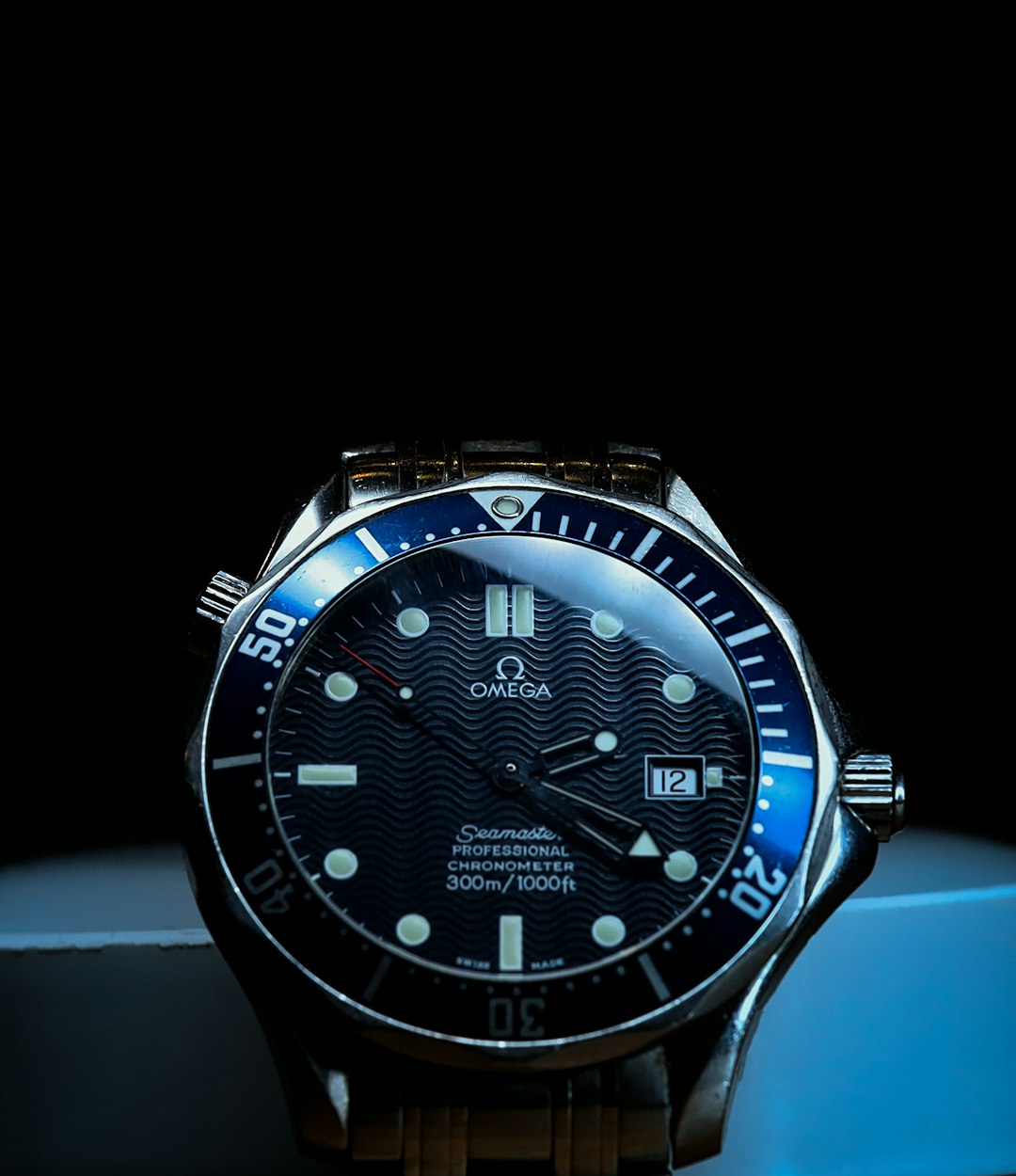
The long-standing argument of mechanical versus quartz is officially over. In 2026, the consensus is that neither is inherently better; they simply serve different purposes.Mechanical/Automatic: Valued for craftsmanship, heritage, and the smooth sweep of the second hand. They require servicing every 3-5 years and are perfect for those who appreciate engineering and tradition.
- Quartz: Offers unmatched accuracy, durability, and affordability. Battery changes are needed every 1-3 years, and it's critical to never leave a dead battery inside, as it can leak and cause corrosion.
- Smartwatch/Hybrid: These have matured into powerful tools for health tracking, communication, and connectivity. Many people now adopt a hybrid approach: a smartwatch for daily activity and a classic timepiece for special occasions.
The stigma against quartz continues to soften in 2026, especially as sustainability conversations reshape buyer priorities. Reliability and low maintenance are increasingly valued.
Where to Buy: Navigating a Complex Market
The safest place to buy a new luxury watch remains an Authorized Dealer (AD). However, the most significant market development is the expansion of Certified Pre-Owned (CPO) programs, often backed by the brands themselves. These offer manufacturer-inspected watches with warranties, providing a secure way to enter the secondary market.
Trusted online platforms like Chrono24 are also reliable, but buyers should exercise caution with "gray market" retailers who offer discounts but no manufacturer warranty.
Part 2: The Seller's Market - How to Maximize Your Watch's Value
The pre-owned watch market is robust, but selling a luxury timepiece requires a strategic approach to get the best price. Small missteps can cost you thousands.
Documentation is Everything: The Power of a "Full Set"
The single most important factor in maximizing resale value is having the original box, warranty card, manuals, and purchase receipt. A "full set" can increase a watch's value by 10% to 30%. It provides proof of authenticity and shows the watch has been well cared for.
Condition and Honesty
Before listing, get your watch professionally cleaned, but avoid excessive polishing. Many collectors prefer a watch with honest signs of wear over one whose case lines have been softened by polishing. Provide a clear, detailed description and high-quality photographs taken in natural light. Transparency about any service history builds trust and attracts serious buyers.
>Choosing Your Selling Channel
- Specialist Dealers: Offer a fast, secure transaction, though the price might be lower than a private sale.
- Consignment: Ideal for high-demand models if you can wait for the right buyer to meet your price. The dealer handles marketing and sales for a fee.
- Online Auctions/Marketplaces: Platforms like eBay and Chrono24 reach a wide audience but come with fees and risks. They are not recommended for watches valued over $5,000 due to fraud risk.
Part 3: The Owner's Responsibility - Repair and Maintenance in 2026
A quality watch is a legacy, but neglect can turn it into a paperweight. Proper care is about building consistent habits.
The Service Interval: How Often is Enough?
Modern advancements in lubricants have extended service intervals. Many brands now recommend servicing every 5 to 10 years for mechanical watches. However, this depends on usage and environment.
- Mechanical/Automatic Watches: A full overhaul is recommended every 5-7 years, where the movement is disassembled, cleaned, lubricated, and regulated.
- Quartz Watches: Need less frequent mechanical service (every 7-10 years), but batteries should be replaced every 2-3 years.
- Water Resistance: If you regularly expose your watch to water, have the seals and gaskets pressure-tested annually. These components degrade over time, and a failed seal can lead to catastrophic moisture damage.
Getting started is easy: just share a photo of your watch to the live feed to add it to your collection and get a warm welcome from the community.
Once it’s in your digital watch box, head over to your profile to open it up. From there, you can view days worn, log accuracy, and—most importantly—track your service logs! Keeping a detailed service history is the best way to preserve your timepiece's resale value and make sure you never miss a routine check-up. Check out Nick's Oris Sixty-Five In His Watch Box
Signs Your Watch Needs Immediate Attention
Don't wait for a complete failure. Look for these warning signs:
- Moisture or fogging under the crystal.
- The crown feeling stiff or gritty when winding.
- A sudden, significant loss of accuracy.
- The power reserve (how long it runs when not worn) noticeably decreasing.
- A rattling sound from the automatic rotor.
Finding a Reputable Watchmaker
Finding a trustworthy watch repair shop is critical. In 2026, look for watchmakers with formal certifications like the CW21 (Certified Watchmaker of the 21st Century) or brand-specific training. A reputable shop will happily explain their process, provide a warranty for their work (typically 12 months), and offer a digital timing printout to prove the watch has been regulated correctly.
Pro Tip: Never attempt a DIY repair on the movement. The risk of contaminating the delicate internals or causing irreversible damage is too high. Leave it to the professionals.
Whether you are buying, selling, or simply enjoying the timepiece on your wrist, the world of horology in 2026 rewards the informed and the patient. By understanding the nuances of the modern market and committing to proper care, your watch can be a source of joy, value, and history for decades to come.
GALLERY