The Micro-Rotor Arms Race: Inside the Formex Aria
For decades, the whisper-thin profile of a micro-rotor movement was the exclusive domain of haute horlogerie. But with the recent launch of the Formex Aria—a Grade 5 titanium sports watch boasting a 2.9mm-thick FX01 caliber co-developed in a strategic partnership with Swiss movement specialist Horage—the rules have fundamentally changed. Discover why the micro-rotor has become the ultimate weapon of choice in the ultra-thin arms race, and whether traditional automatic movements are finally becoming obsolete.
May 30, 2026 6 min read 0 views
IN THIS ARTICLE
For decades, the whisper-thin profile of a watch powered by a micro-rotor movement was a secret handshake among the horological elite. It was the exclusive domain of haute horlogerie, a subtle flex from houses like Patek Philippe, Piaget, and Chopard. The intricate, off-center oscillating weight, seamlessly integrated into the movement plate, was a mark of mechanical elegance and a solution to the enduring quest for ultimate slimness. But today, that exclusive club is being thrown wide open. A new arms race is escalating in the watch industry, and the micro-rotor is its chosen weapon.
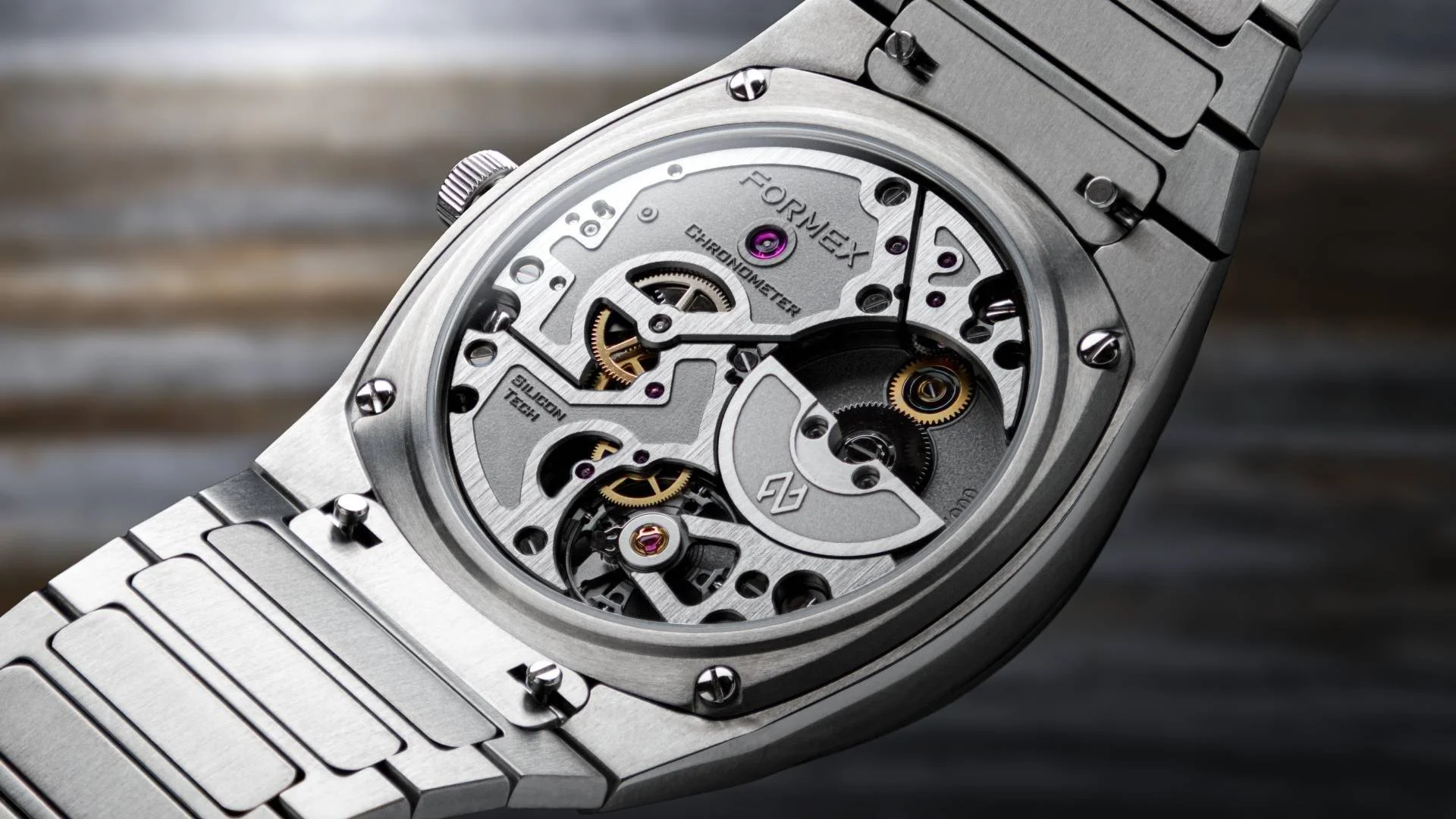
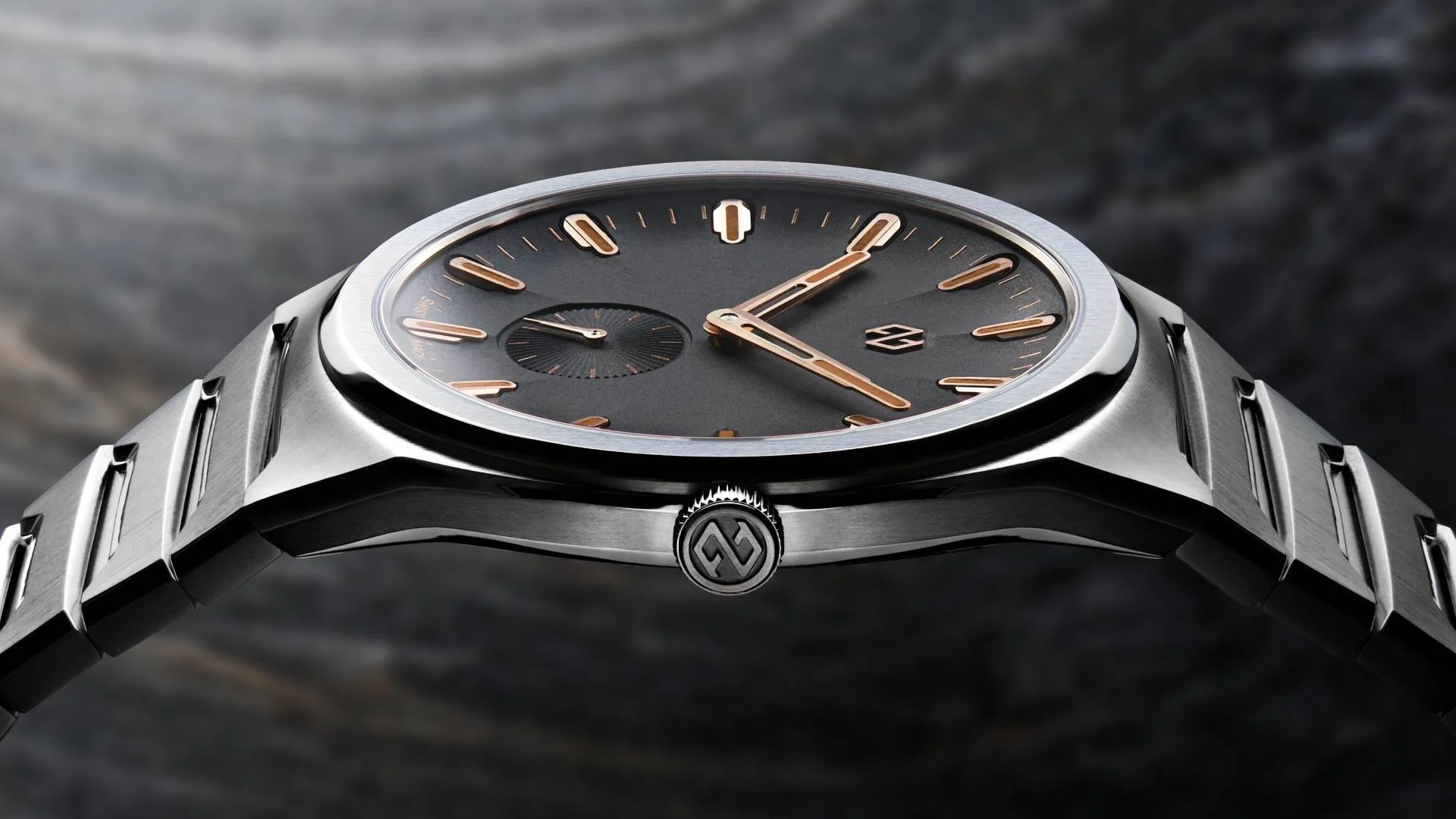
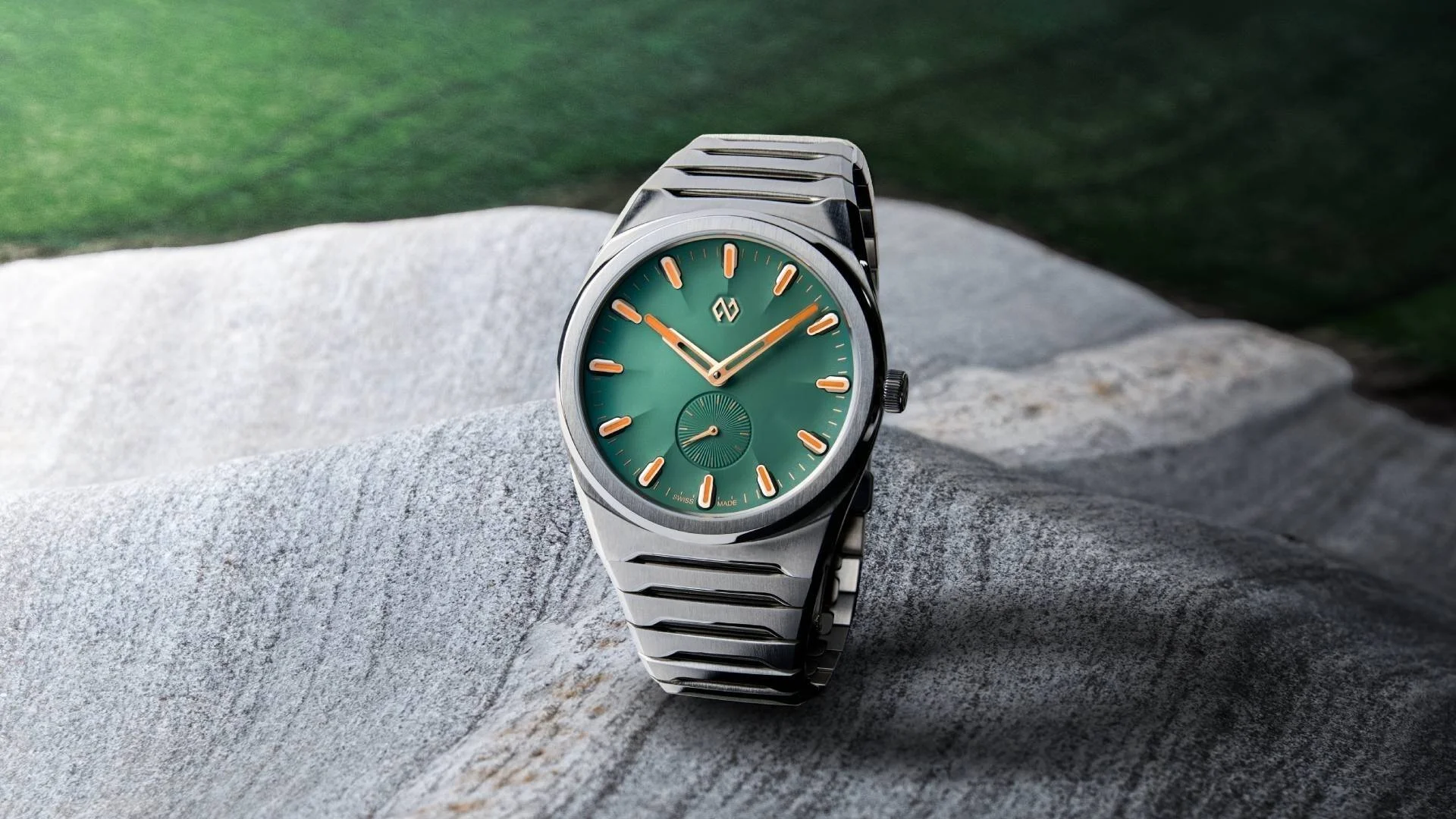
The catalyst for this discussion? The brand-new Formex Aria. Launched on May 29th, this integrated-bracelet sports watch, crafted entirely from aerospace-grade Grade 5 titanium, is a masterclass in modern watch design. It’s light, ergonomic, and impressively thin, weighing just 78 grams on the bracelet. But the real story isn't just its sleek exterior; it's the engine within. Formex made a conscious, and telling, decision to build the watch from the inside out, starting with the FX01, an exclusive micro-rotor caliber co-developed in a strategic partnership over several years with Swiss movement specialist Horage. This move signals a seismic shift in the industry. The question is no longer if independent brands can access this technology, but whether they can afford not to.
A Brief History of Small Wonders
Before we can understand the current revolution, we must appreciate the micro-rotor's heritage. The concept of an automatic watch is old, but the challenge has always been thickness. A traditional, full-sized rotor adds a distinct layer on top of the movement, like a second story on a house. The solution arrived in the mid-1950s, a period of fervent innovation.
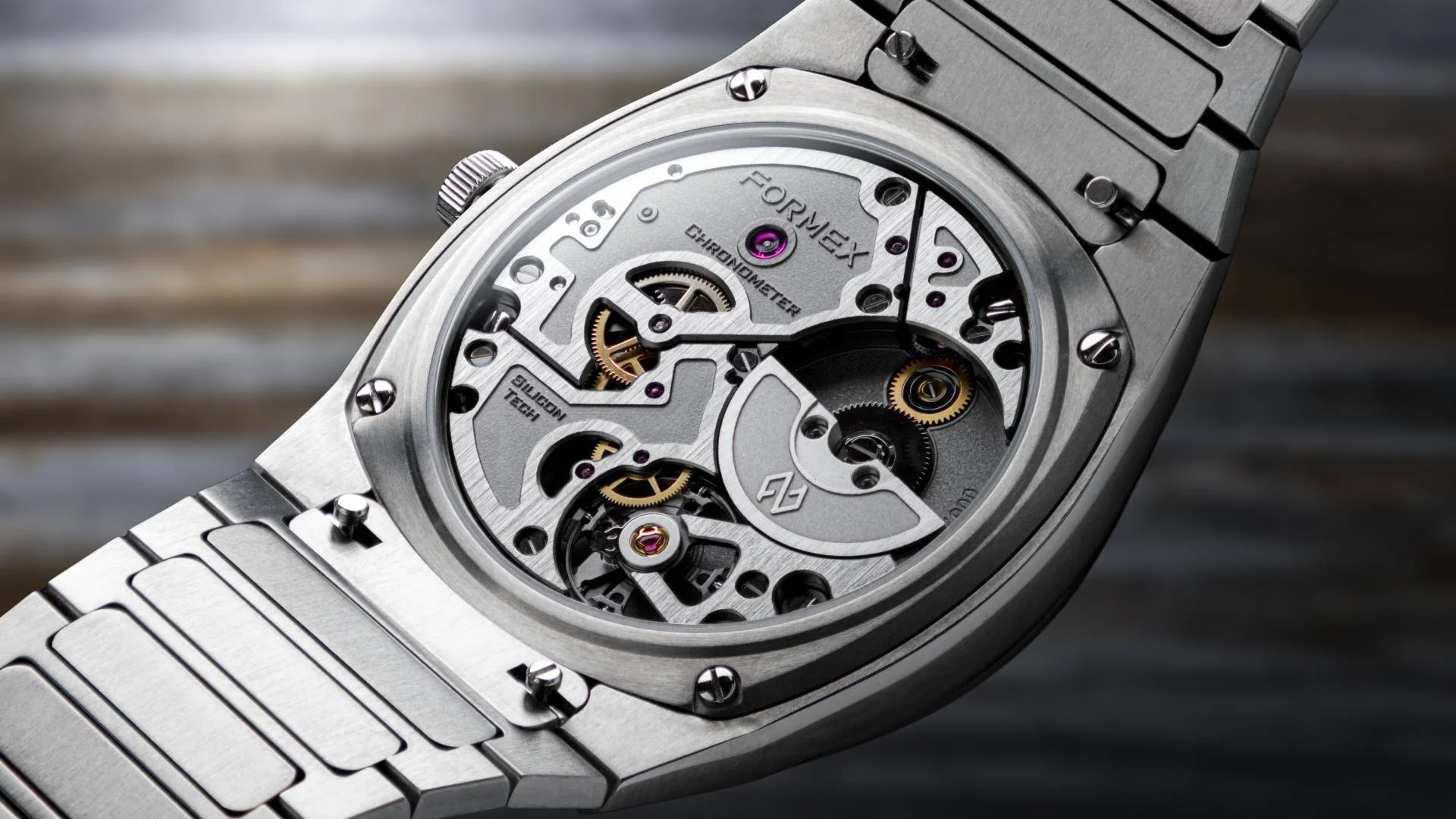
While Buren patented its "microrotor" system in 1954 and launched it in its Super-Slender caliber in 1957, Universal Genève also introduced its Calibre 215 the following year, developed by a design team that included the legendary Gérald Genta. These pioneering movements embedded a smaller, heavier oscillating weight (often made of a dense material like gold or platinum) into the same plane as the movement's bridges. This eliminated the height of a central rotor, allowing for dramatically thinner watch profiles without sacrificing the convenience of automatic winding. Piaget's caliber 12P, launched in 1960, famously measured just 2.3mm thick, setting a world record and cementing the micro-rotor as the pinnacle of ultra-thin watchmaking.
Rather than designing a case first and fitting a caliber inside it, Formex developed the Aria around the new Manufacture Caliber FX01 — an ultra-thin micro-rotor movement measuring only 2.9 mm in height. This movement architecture allowed the team to rethink what an integrated-bracelet sports watch could feel like on the wrist: thinner, lighter, and more fluid in form.
The Modern Battlefield: Thin is In
Fast forward to today. The industry is in the throes of a powerful pivot. After years of oversized cases, the market is aggressively correcting towards sub-40mm diameters and ultra-slim profiles. This is particularly true in the white-hot integrated-bracelet sports watch category. Consumers now demand elegance and comfort, but this creates a technical roadblock for many independent brands.
The workhorse movements that have powered the independent scene for years—calibers like the Sellita SW200/SW300 and ETA 2824/2892—are robust and reliable, but they are not thin. The Sellita SW300-1, a premium slim automatic, is 3.6mm thick. The ubiquitous SW200-1 is a chunkier 4.6mm. When you’re chasing a total case thickness of 8mm or less, every fraction of a millimeter counts. These standard calibers are hitting a wall; they are simply too bulky for the sleek, modern designs that are now in vogue.
Enter the Third-Party Specialists
This is where the new micro-rotor arms race begins. For an independent brand, developing a proprietary ultra-thin movement is a multi-million dollar, multi-year endeavor. The alternative? Sourcing from a new generation of high-end movement specialists. This is precisely the kind of partnership Formex forged for the Aria.
- Horage: For the Aria, Formex partnered with Swiss movement specialist Horage to co-develop the Manufacture Caliber FX01. This Swiss manufacturer has made waves by developing modular and accessible high-performance calibers. Their micro-rotor technology is a game-changer, offering COSC chronometer-grade performance, a full silicon regulating system, and a slim 2.9mm profile that was previously unattainable at this price point.
- Vaucher Manufacture Fleurier: Often considered the gold standard for specialist movements, Vaucher's "Seed" VMF 5401 micro-rotor is a thing of beauty, used by brands from Parmigiani Fleurier (its parent company) to Tonda, Hermès, and even Richard Mille.
- La Joux-Perret: Now owned by the Citizen Group, LJP has developed a slim automatic with a micro-rotor (the LJP7380), further democratizing access to this once-rare architecture.
- Schwarz Etienne: This independent brand and movement maker also produces micro-rotor calibers for third parties, continuing to expand the options available to brands looking to go thin.
The Technical Trade-Offs: Is it All Upside?
Opting for a micro-rotor isn't without its challenges. The primary concern has always been winding efficiency. A smaller rotor has less mass and inertia than a full-sized one, making it theoretically less efficient at winding the mainspring. To compensate, manufacturers use extremely dense materials like tungsten, platinum, or even solid 22k gold, and they invest heavily in developing hyper-efficient gearing and bearing systems.
However, the benefits often outweigh the drawbacks:
- Unobstructed Beauty: A micro-rotor doesn't cover half the movement like a central rotor. This gives watchmakers a full, uninterrupted canvas to showcase exquisite finishing—Côtes de Genève, perlage, and anglage—through a sapphire case back.
- Design Freedom: As Formex demonstrated with the Aria, a movement just 2.9mm thick fundamentally changes how you can design a watch. It allows for sleeker lines, a lower center of gravity, and a wearing experience that is simply more comfortable and refined.
- The Sports Watch Definition: Going ultra-thin often means sacrificing robust water resistance. For example, the Formex Aria features a modest 30m (3 ATM) water resistance, meaning it is not a true diver or heavy-duty sports watch. It's a calculated trade-off for achieving a sleek 6.9mm total case thickness.
Is the Sellita SW300 Obsolete?
So, are we witnessing the end of days for calibers like the Sellita SW300? Not exactly. For dive watches, pilot's watches, and field watches where a few millimeters of thickness are not only acceptable but often desirable for ruggedness, these movements will remain the undisputed champions of value and reliability.
However, for the modern, slim, integrated-bracelet sports watch—a category that is defining the current era—the traditional automatic is becoming a severe limitation. For any brand that wants to compete with the likes of the Czapek Antarctique, the Vacheron Constantin Overseas Ultra-Thin, or the Bvlgari Octo Finissimo, a micro-rotor is no longer a luxury. It is becoming a necessity.
The Formex Aria isn't just a new watch; it's a statement. It proves that the sophisticated engineering of the micro-rotor is now accessible to a wider audience through strategic partnerships. The silent revolution is getting louder, and it's reshaping the future of watch design, one millimeter at a time.
GALLERY